





Repairing Your Wheelchair: A Complete Guide to Safety, Comfort, and Long-Term Mobility
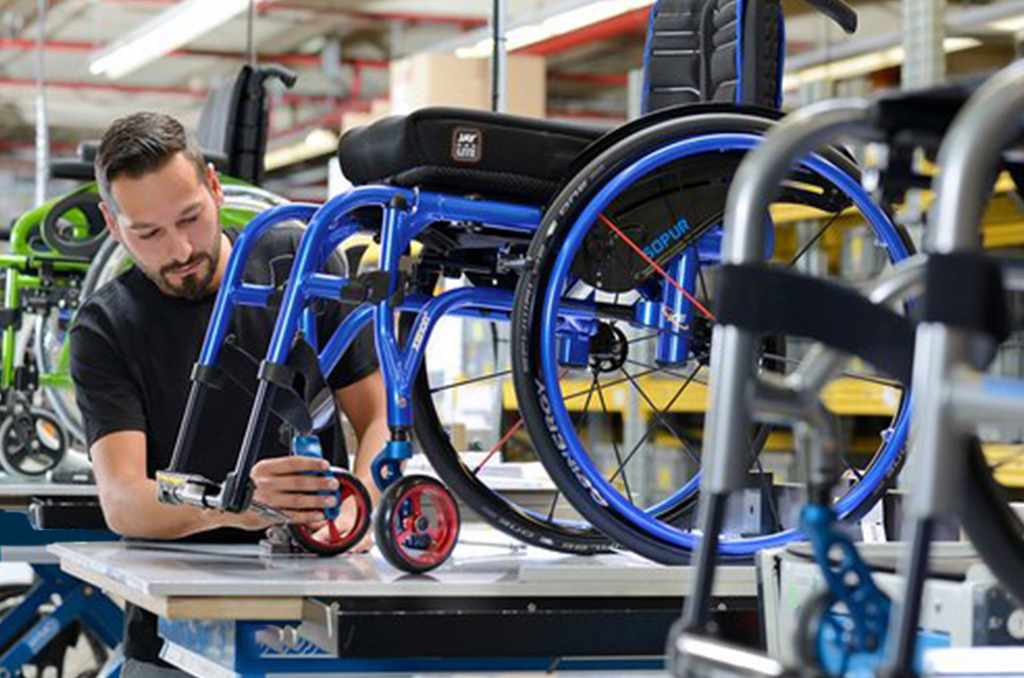
A wheelchair is more than a mobility aid—it is a vital part of daily life that provides independence, comfort, and freedom of movement. When a wheelchair is not functioning properly, even minor issues can significantly affect safety and quality of life. Repairing your wheelchair promptly and maintaining it correctly ensures reliable performance, reduces the risk of accidents, and extends the life of the equipment.
This article explains why wheelchair repair is important, common wheelchair problems, basic maintenance tips, when to seek professional repair services, and how proper care can improve long-term mobility.
Why Repairing Your Wheelchair Matters
Wheelchairs experience constant wear and tear from daily use. Over time, components such as wheels, brakes, bearings, motors, and frames can become loose, worn, or damaged. Ignoring small issues may lead to sudden breakdowns, discomfort, or even injury.
Timely wheelchair repair offers several important benefits:
- Improved safety: Properly functioning brakes, wheels, and controls reduce the risk of falls and accidents.
- Better comfort: Adjustments and repairs ensure proper seating, alignment, and smooth movement.
- Increased independence: A reliable wheelchair allows users to move freely without interruption.
- Lower long-term costs: Fixing small problems early prevents expensive repairs or full replacements later.
Common Wheelchair Problems
Understanding common wheelchair issues can help users identify problems early and take action before they worsen.
Tire and Wheel Issues
Flat or worn tires are among the most common wheelchair problems. Manual wheelchair tires may lose air or develop cracks, while power wheelchair tires can wear unevenly. Bent rims, loose spokes, or worn bearings can also affect smooth movement.
Brake Malfunctions
Brakes that do not engage properly can make transferring in and out of the wheelchair dangerous. Over time, brake pads may wear out or lose alignment, reducing stopping power.
Frame and Structural Damage
Wheelchair frames can loosen, bend, or crack due to daily stress or impacts. Even minor frame issues can affect stability and alignment.
Power Wheelchair Electrical Problems
Power wheelchairs rely on batteries, motors, controllers, and wiring. Common issues include battery failure, loose connections, joystick malfunctions, and motor wear.
Seating and Cushion Wear
Seats, backrests, and cushions can compress or tear over time, leading to discomfort, poor posture, and increased risk of pressure sores.
Basic Wheelchair Maintenance Tips


4
Regular maintenance can prevent many repair issues and keep your wheelchair performing at its best.
Keep Your Wheelchair Clean
Dirt, dust, and debris can interfere with moving parts. Regularly wipe down the frame, wheels, and controls with a damp cloth. Avoid using harsh chemicals that may damage components.
Check Tires and Wheels
Inspect tires weekly for proper inflation, cracks, or wear. Ensure wheels spin freely and are securely attached.
Inspect Brakes and Controls
Test brakes frequently to confirm they engage fully. For power wheelchairs, ensure the joystick or control panel responds smoothly.
Tighten Loose Bolts and Screws
Vibration from daily use can loosen hardware. Periodically check and tighten bolts, screws, and fasteners to maintain stability.
Maintain Batteries (Power Wheelchairs)
Charge batteries as recommended by the manufacturer. Avoid letting batteries fully discharge, and store the wheelchair in a dry, temperature-controlled environment.
When to Repair Your Wheelchair Yourself
Some minor wheelchair repairs and adjustments can be handled at home, especially for manual wheelchairs. These include:
- Inflating or replacing inner tubes
- Cleaning and lubricating moving parts
- Tightening loose bolts
- Replacing worn cushions or arm pads
However, it’s important to follow manufacturer guidelines and use the correct tools and replacement parts.
When to Seek Professional Wheelchair Repair Services
Certain repairs require professional expertise to ensure safety and proper function. Seek professional assistance if you experience:
- Electrical or motor issues in power wheelchairs
- Persistent brake problems
- Frame damage or cracks
- Alignment issues affecting steering or balance
- Software or control system errors
Professional technicians have the training and diagnostic tools needed to identify underlying problems and restore your wheelchair safely.
The Importance of Timely Repairs
Delaying wheelchair repairs can have serious consequences. A small mechanical issue may quickly escalate into a major failure, potentially leaving you stranded or injured. Regular inspections and timely repairs help prevent unexpected breakdowns and ensure uninterrupted mobility.
For individuals who rely on their wheelchair daily, access to reliable repair services is essential for maintaining independence and confidence.
Repair vs. Replacement: Making the Right Choice
Sometimes wheelchair users face the decision of repairing or replacing their equipment. Repairing is often the more cost-effective option, especially for newer wheelchairs with minor issues. Replacement may be considered if:
- Repair costs exceed the value of the wheelchair
- The frame or core components are severely damaged
- The wheelchair no longer meets the user’s mobility needs
A professional assessment can help determine the most practical and economical option.
Tips for Extending the Life of Your Wheelchair
- Follow a regular maintenance schedule
- Address small issues immediately
- Store your wheelchair indoors when possible
- Use recommended replacement parts
- Schedule periodic professional inspections
Proper care can significantly extend the lifespan of your wheelchair and improve overall performance.
Conclusion
Repairing your wheelchair is essential for maintaining safety, comfort, and independence. From basic maintenance tasks to professional repairs, staying proactive helps prevent breakdowns and ensures reliable mobility. By understanding common wheelchair problems and addressing them promptly, users can enjoy greater peace of mind and a higher quality of life.
A well-maintained wheelchair is not just equipment—it is a key part of daily freedom and confidence. Investing time and attention into proper wheelchair repair and maintenance ensures continued mobility and long-term well-being.