



Waterproof Wall Panels vs. Traditional Tiles: What You Need to Know
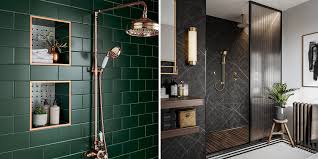
When planning a bathroom renovation, one of the most important decisions you’ll make is choosing your wall finish. For decades, tiles have been the default choice, but waterproof wall panels have emerged as a compelling alternative. Both options have their merits, and understanding the differences will help you make the right choice for your project.
What Are Waterproof Wall Panels?
Waterproof wall panels are large format sheets, typically made from PVC, acrylic, or laminate materials, designed specifically for wet environments. They’re installed directly onto prepared walls or existing tiles, creating a seamless, water resistant surface. Available in a wide range of finishes, from marble effects to contemporary concrete looks, these panels offer versatility without compromising on style.
Modern panels have come a long way from their basic predecessors. Today’s options convincingly replicate natural materials and can suit any design aesthetic, from traditional to ultra modern.
Installation: Speed and Simplicity
One of the most significant advantages of wall panels is installation speed. A typical bathroom can be panelled in a day or two, compared to several days for tiling. Panels require fewer joints and less preparation work, which means less mess and disruption to your home.
Traditional tiling is a skilled, time intensive process. Each tile must be individually placed, levelled, and grouted. The adhesive and grout then need time to cure before the bathroom can be used. This extended timeline increases labour costs and means you’re without your bathroom for longer.
If you’re working with experienced bathroom fitters, they can advise on the best approach for your specific situation, taking into account your timeline, budget, and design preferences.
Maintenance and Cleaning
Wall panels score highly for maintenance. With minimal joints and a smooth surface, there’s nowhere for dirt, mould, or mildew to accumulate. A simple wipe with a damp cloth keeps panels looking pristine. There’s no grout to scrub or reseal, which is a significant advantage for busy households.
Tiles, whilst durable, require more ongoing maintenance. Grout is porous and can stain or discolour over time, particularly in showers where it’s constantly exposed to water and soap residue. Regular cleaning and periodic resealing are necessary to keep tiled walls looking their best and prevent water penetration.
Aesthetic Considerations
Tiles offer unmatched variety. From tiny mosaics to large format porcelain, in every colour and finish imaginable, tiles provide endless design possibilities. You can create intricate patterns, mix colours and textures, and achieve truly bespoke looks. For those who want a completely unique bathroom, tiles offer creative freedom that’s hard to match.
Wall panels have improved dramatically in terms of aesthetics. High quality panels now feature realistic textures and patterns that convincingly mimic natural stone, marble, and even wood. The large format creates a contemporary, streamlined look with fewer visible joints. However, if you’re after intricate patterns or want to mix multiple colours and textures, tiles offer more flexibility.
Cost Comparison
Cost is often a deciding factor. Wall panels are generally more affordable when you consider both materials and installation. The quicker installation means lower labour costs, and the materials themselves are typically less expensive than mid to high end tiles.
Quality tiles, particularly natural stone or designer ranges, can be costly. Add in the expense of adhesive, grout, and skilled labour for several days, and the total can quickly escalate. However, budget tiles are available and can be cost effective if you’re prepared to do some of the work yourself.
It’s worth noting that whilst panels may have a lower upfront cost, tiles, if properly maintained, can last for decades. Consider your long term plans for the property when making your decision.
Durability and Longevity
Both options are durable when properly installed. Quality tiles are incredibly hard wearing and can last 20 years or more. They’re resistant to scratches, heat, and UV light, and won’t fade over time. If a tile does crack or chip, individual tiles can be replaced, although matching discontinued ranges can be challenging.
Wall panels are also durable and resistant to everyday wear. They won’t crack like tiles can, and they’re more forgiving if something is dropped against them. However, if a panel is damaged, you may need to replace a larger section rather than a single tile. Quality panels should last 10 to 15 years or more with proper care.
Water Resistance
Both tiles and panels are designed for wet environments, but they achieve water resistance differently. Tiles themselves are waterproof, but the grout between them is the weak point. If grout isn’t properly sealed and maintained, water can penetrate, potentially causing damage to the substrate and leading to mould growth.
Wall panels create a more continuous waterproof barrier. With fewer joints and tongue and groove or overlapping installation methods, there are fewer potential weak points. The joints that do exist are sealed with waterproof silicone, creating an effective barrier against moisture penetration.
Environmental Considerations
If environmental impact is important to you, there are factors to consider with both options. Ceramic and porcelain tiles are made from natural materials and are fully recyclable. However, the manufacturing process is energy intensive.
Wall panels are typically made from synthetic materials, which raises sustainability questions. However, their lighter weight means lower transportation emissions, and the quicker installation uses less energy. Some manufacturers now offer panels made from recycled materials, improving their environmental credentials.
Suitability for Different Projects
Wall panels excel in certain situations. They’re ideal for quick renovations, rental properties, or situations where minimising disruption is crucial. They’re also excellent for covering existing tiles in good condition, avoiding the mess and expense of tile removal.
Tiles might be the better choice for high end renovations where you want a truly bespoke look, for period properties where traditional materials are more appropriate, or if you’re planning to stay in your home long term and want the longevity that quality tiles provide.
Making Your Decision
There’s no universally right answer. The best choice depends on your specific circumstances, including your budget, timeline, design preferences, and how long you plan to stay in the property.
Consider visiting a showroom where you can see both tiles and panels in person. Touching and seeing materials in three dimensions helps you make a more informed decision than looking at pictures online. Speaking with professional bathroom fitters who work with both materials daily can provide valuable insights based on real world experience.
The Bottom Line
Waterproof wall panels offer speed, convenience, and low maintenance, making them an excellent choice for many bathroom renovations. Traditional tiles provide unmatched design flexibility and proven longevity. Both can create beautiful, functional bathrooms when properly installed.
Think about what matters most to you. If you value quick installation, easy maintenance, and a contemporary look, panels might be your best option. If you want maximum design flexibility and don’t mind the longer installation time and ongoing maintenance, tiles could be the way to go.
Whatever you choose, investing in quality materials and professional installation ensures your bathroom looks great and performs well for years to come.