



Why Metal Buildings Are Better Than Traditional Structures
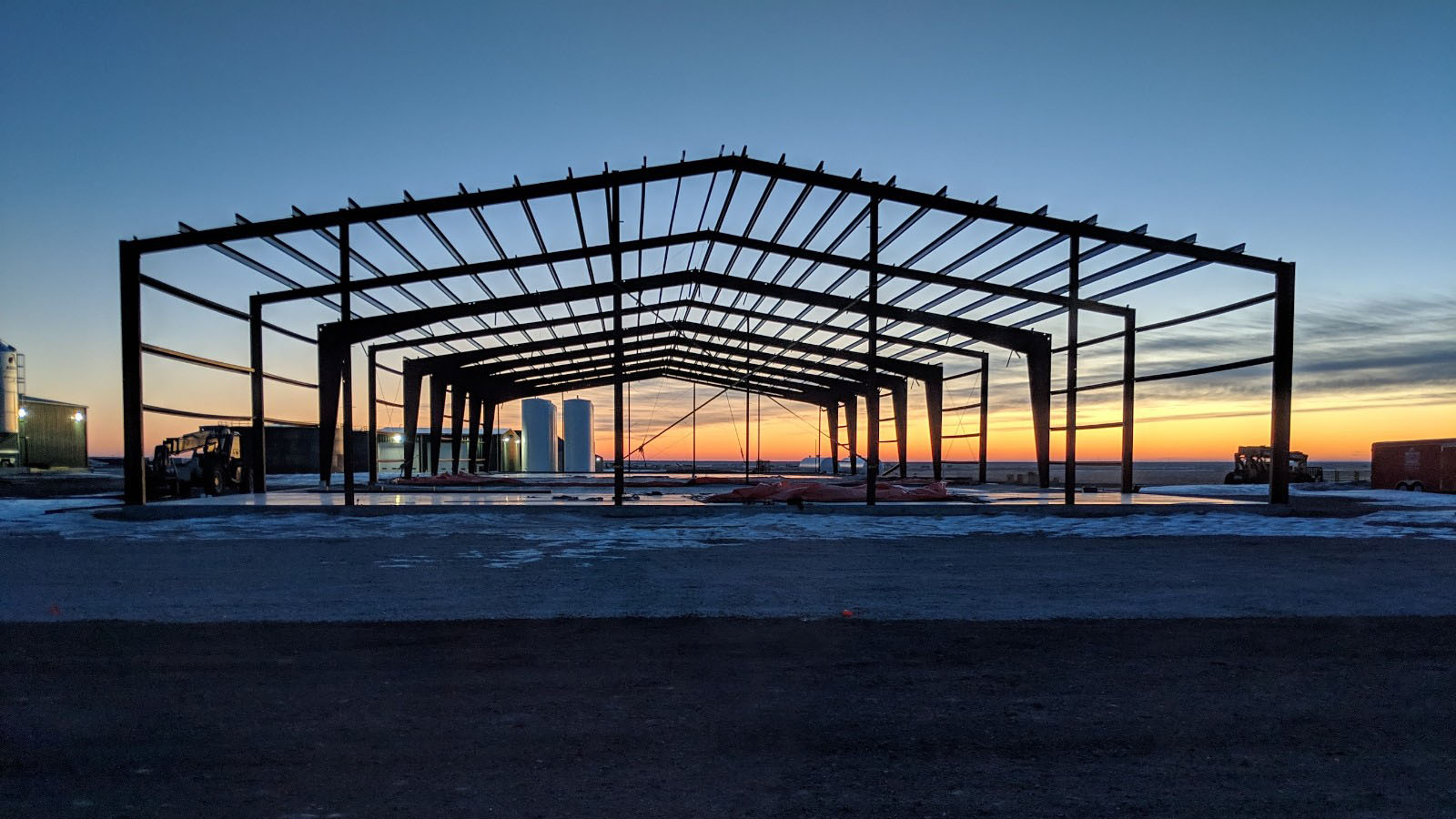
Choosing the right type of construction is one of the most important decisions for homeowners, businesses, and property developers. In recent years, steel buildings have become increasingly popular because of their durability, cost efficiency, and versatility. Compared to traditional wood or concrete structures, metal buildings offer several advantages that make them an attractive solution for a wide variety of applications.
From warehouses and agricultural facilities to commercial buildings and residential properties, steel buildings provide long-term value and exceptional performance.
Superior Strength and Durability
One of the biggest reasons many people prefer steel buildings is their outstanding strength.
Unlike traditional wooden structures, metal buildings are resistant to:
- Rot
- Termites
- Mold
- Warping
- Cracking
Steel provides exceptional structural integrity, allowing buildings to withstand harsh weather conditions such as heavy rain, snow, and strong winds.
This durability helps reduce maintenance costs and extends the lifespan of the structure.
Lower Maintenance Requirements
Traditional buildings often require ongoing repairs and maintenance.
Wooden structures may need:
- Pest control
- Painting
- Replacement of damaged materials
- Moisture protection
Steel buildings require significantly less maintenance. Their resistance to insects and moisture helps property owners save both time and money over the years.
Fewer repairs contribute to lower long-term ownership costs.
Faster Construction Process
Construction speed is another major advantage of steel buildings.
Metal building components are often prefabricated before arriving at the construction site.
This allows for:
- Faster assembly
- Reduced labor costs
- Shorter project timelines
Compared to traditional construction methods, steel buildings can often be completed much more quickly, helping businesses and homeowners occupy their spaces sooner.
Cost-Effective Construction
Budget considerations play a significant role in any building project.
Steel buildings offer several financial advantages:
- Reduced labor expenses
- Lower maintenance costs
- Minimal material waste
- Faster completion times
These benefits make metal structures an economical choice for both commercial and residential projects.
Long-term savings often outweigh the initial investment.
Energy Efficiency Benefits
Modern steel buildings can be designed with advanced insulation systems that improve energy efficiency.
Proper insulation helps:
- Maintain indoor temperatures
- Reduce heating costs
- Lower cooling expenses
- Improve comfort
Energy-efficient designs contribute to lower utility bills and support environmentally responsible construction practices.
Sustainability is becoming increasingly important in modern building design.
Fire Resistance
Fire safety is an important consideration for any structure.
Unlike wood, steel is non-combustible and does not contribute fuel to a fire.
This advantage provides:
- Improved safety
- Reduced fire risks
- Potential insurance benefits
Steel buildings offer an added level of protection that many traditional structures cannot provide.
Environmentally Friendly Materials
Steel is one of the most recyclable construction materials available.
Many steel buildings contain recycled materials and can be recycled again at the end of their lifespan.
This reduces:
- Construction waste
- Environmental impact
- Resource consumption
Sustainable construction practices make steel buildings an appealing option for environmentally conscious property owners.
Design Flexibility
Modern steel buildings are highly versatile and can accommodate numerous architectural styles.
Applications include:
- Warehouses
- Workshops
- Garages
- Retail stores
- Agricultural buildings
- Offices
- Residential homes
Large open spaces without numerous support columns provide greater flexibility for interior layouts.
This adaptability makes steel buildings suitable for various industries and uses.
Better Resistance to Extreme Weather
Severe weather conditions can damage traditional buildings.
Steel buildings offer enhanced resistance to:
- Hurricanes
- Heavy snowfall
- Strong winds
- Earthquakes
Their structural strength helps minimize damage and improve safety during extreme events.
This resilience provides peace of mind for property owners in areas prone to challenging weather conditions.
Pest and Insect Protection
Wooden structures are vulnerable to termites and other pests.
Steel buildings eliminate many of these concerns because metal materials are not attractive to insects.
Benefits include:
- Reduced pest control costs
- Improved structural integrity
- Lower maintenance requirements
Property owners can avoid many of the issues commonly associated with traditional wooden construction.
Long-Term Value
Investing in a durable structure helps maximize long-term returns.
Steel buildings provide:
- Longer service life
- Reduced repair expenses
- Better durability
- Strong resale value
Their longevity makes them a practical choice for individuals and businesses seeking reliable construction solutions.
Over time, the reduced maintenance and repair requirements contribute to substantial savings.
Modern Appearance
Today’s steel buildings are available in a wide range of finishes and styles.
Modern designs offer:
- Attractive exteriors
- Custom colors
- Contemporary aesthetics
- Professional appearances
Metal buildings no longer resemble simple industrial structures. They can be customized to meet both functional and visual preferences.
Architectural flexibility allows owners to create attractive and unique spaces.
Ideal for Various Industries
Steel buildings are widely used across numerous sectors, including:
- Agriculture
- Manufacturing
- Retail
- Storage
- Commercial development
Their adaptability and strength make them suitable for both small and large projects.
Businesses often choose steel buildings because they provide practical and efficient solutions for changing operational needs.
Conclusion
When comparing metal buildings to traditional construction methods, the advantages are clear. Steel buildings offer exceptional durability, lower maintenance requirements, faster construction times, and greater resistance to fire, pests, and extreme weather conditions.
In addition to their strength and cost-effectiveness, steel buildings provide design flexibility, energy efficiency, and environmentally friendly benefits that appeal to modern property owners. Whether for commercial, industrial, agricultural, or residential use, steel buildings represent a smart investment that delivers long-term value and reliable performance.
As construction technology continues to evolve, steel buildings will remain one of the most practical and efficient alternatives to traditional structures, providing durable and sustainable solutions for a wide range of building needs.